betty haas pfister:
Our Mission
Bettypfister.org seeks to honor the extraordinary life, contributions, and impact of Betty Haas Pfister—pioneering aviator, civic leader, and Aspen visionary—by advocating for the naming of the Aspen Airport terminal The Betty Haas Pfister Terminal at Sardy Field.
This initiative aims to recognize a woman who shaped aviation history, advanced emergency air rescue, championed aviation infrastructure in the Roaring Fork Valley, and inspired generations of pilots—especially women—to explore the skies without limitation. Through education, advocacy, and historical preservation, we will celebrate Betty Pfister’s enduring contributions to Aspen, aviation, and American aviation heritage.
betty haas pfister:
National Treasure
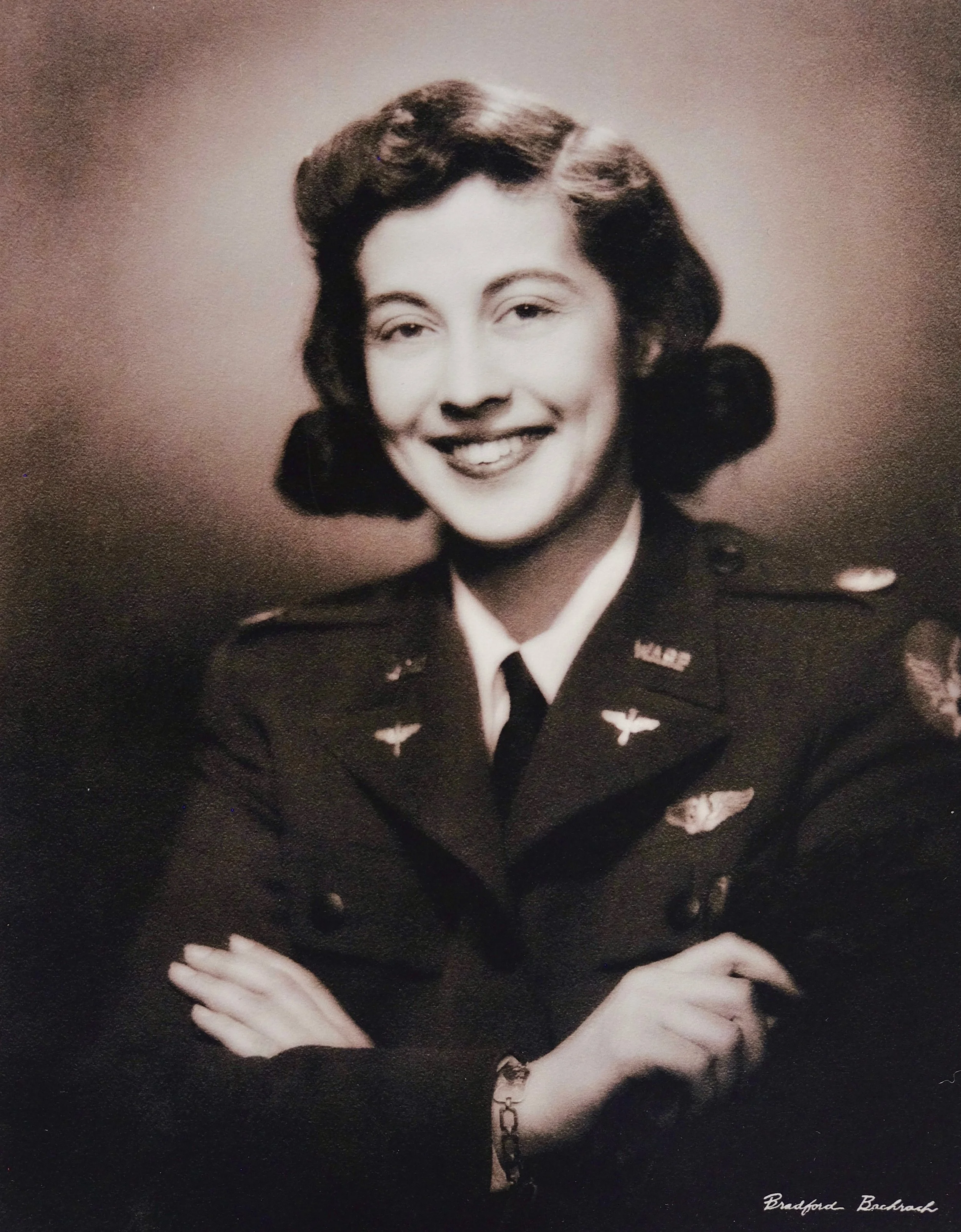
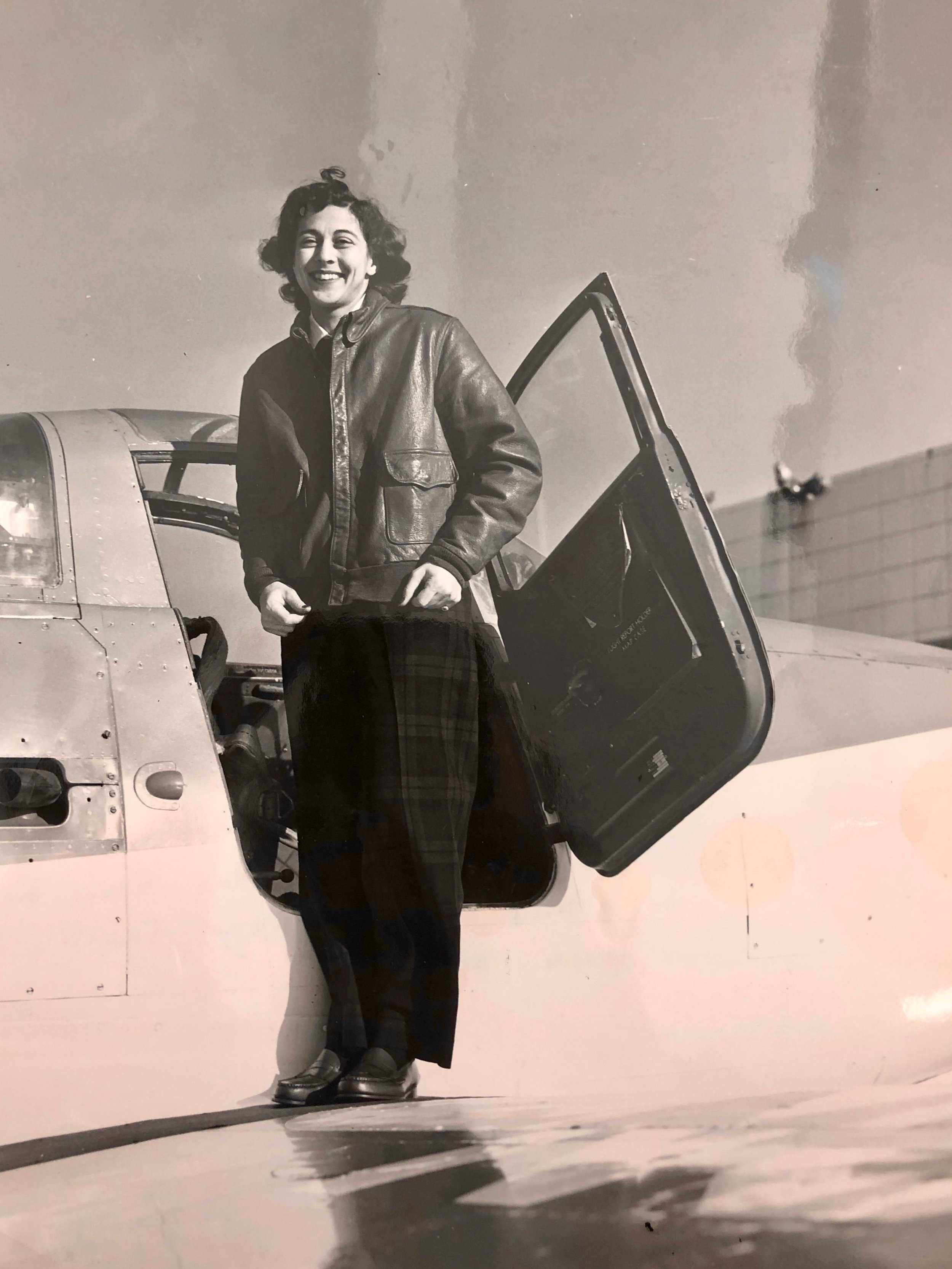
Betty was a WWII Women Airforce Service Pilot (WASP), Class 43-W-5. Betty was a member of the WASP’s from 1942-1944 when the war ended and the group was summarily disbanded.
Assigned to the ferry command, Betty shuttled many types of aircraft, including B-24s B-17s, from the wartime factories to the operational fields.
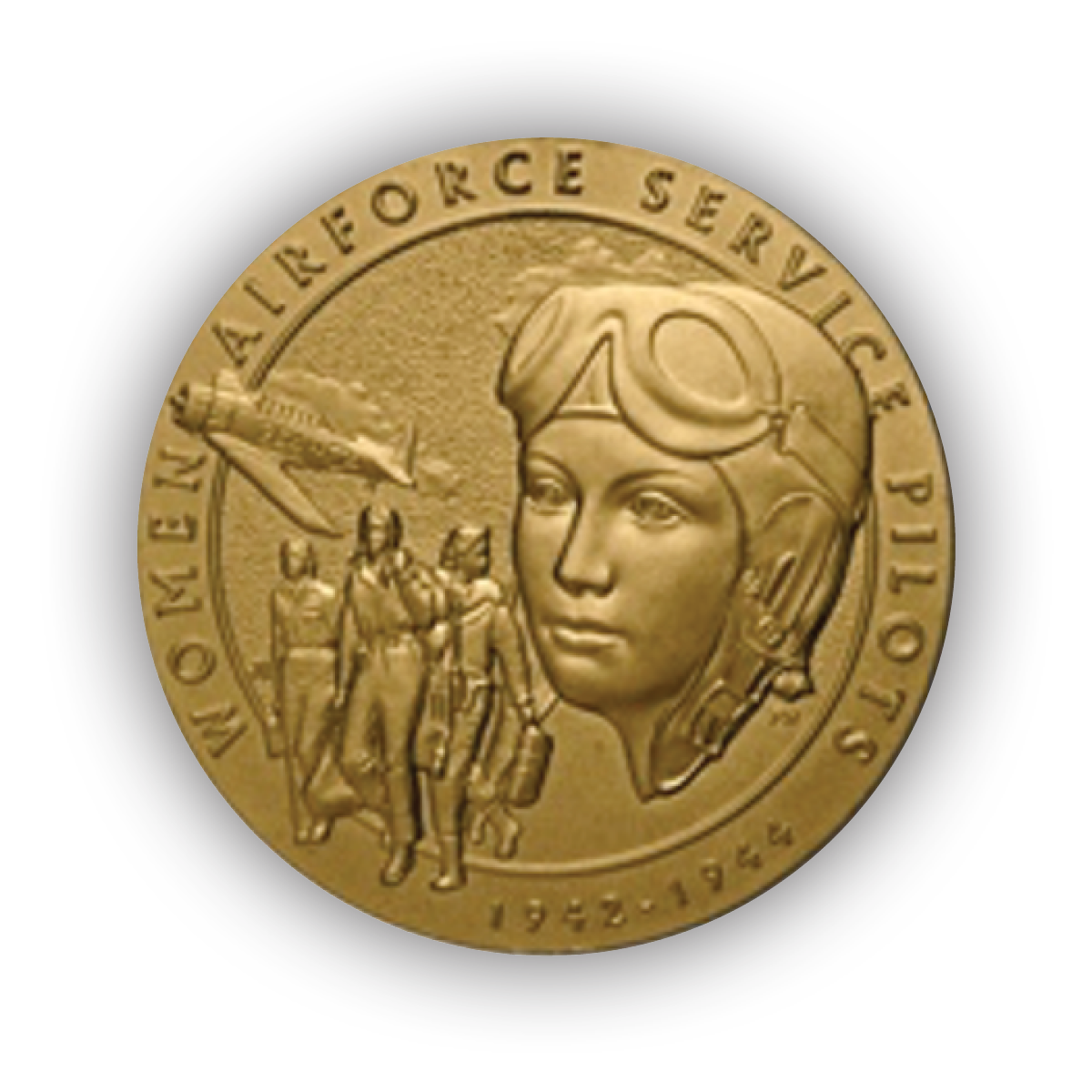
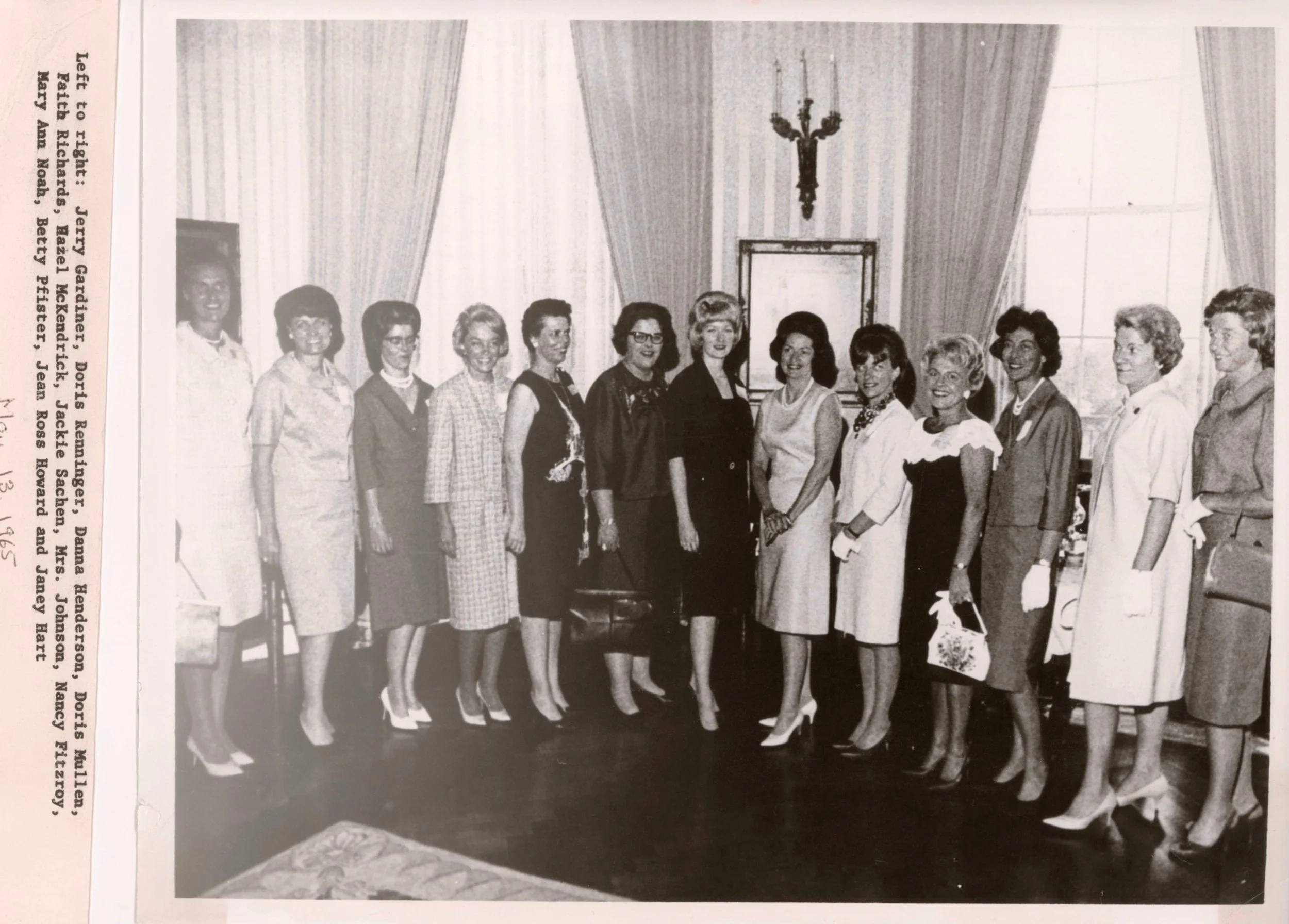
In 2010 Betty, along with her fellow WASPs, were belatedly awarded the Congressional Gold Medal for their service from President Obama.

betty haas pfister:
Roaring Fork Valley Hero
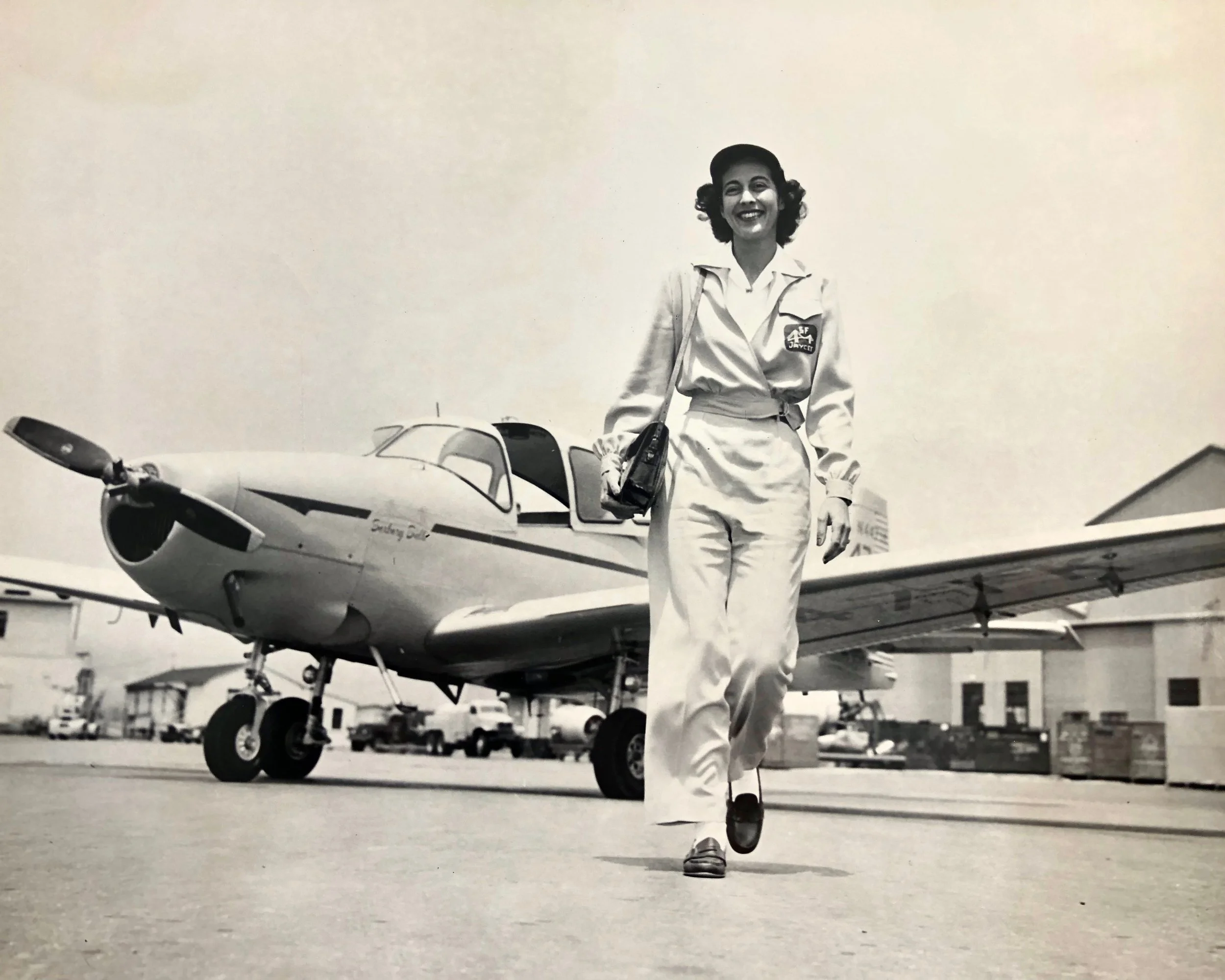
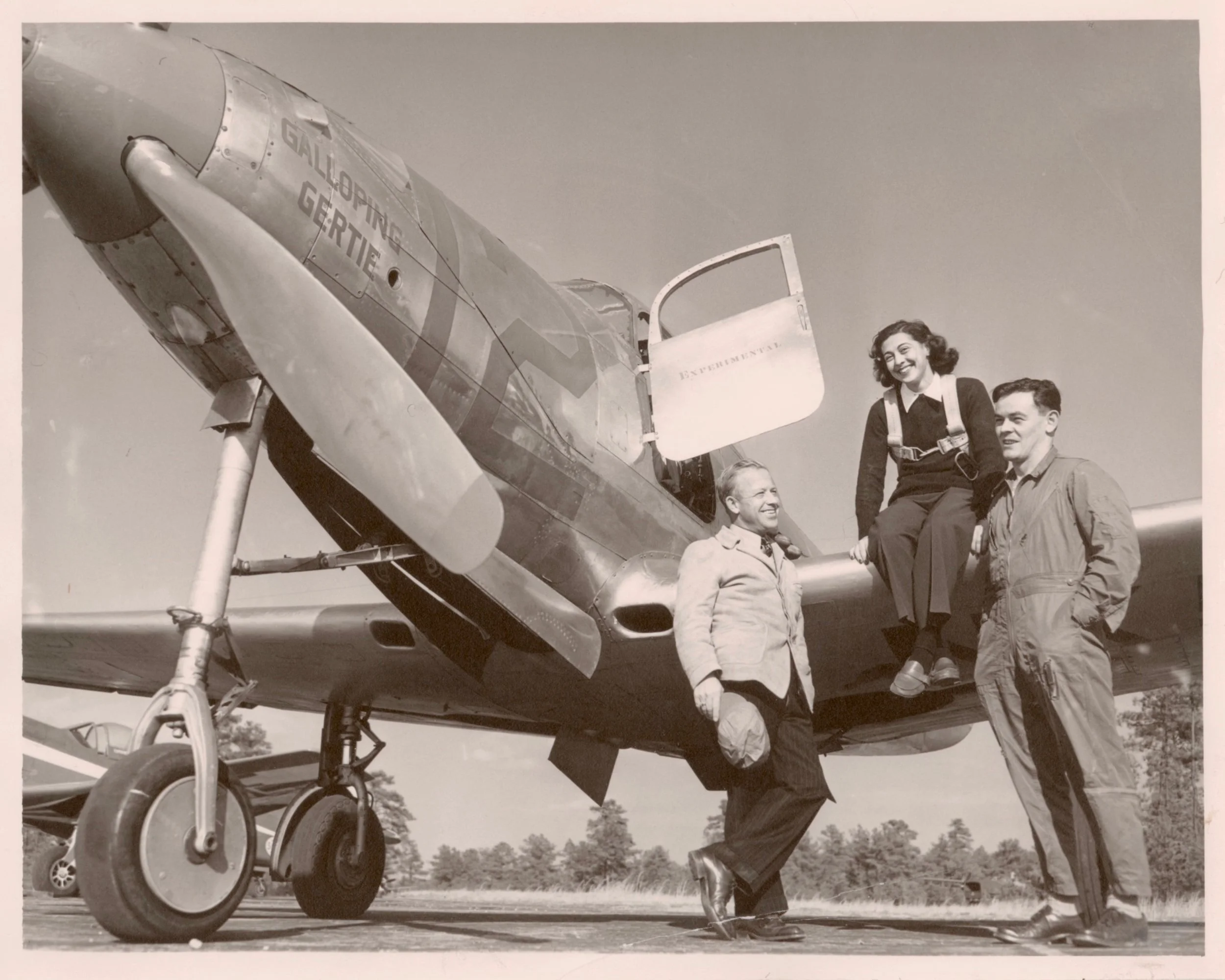
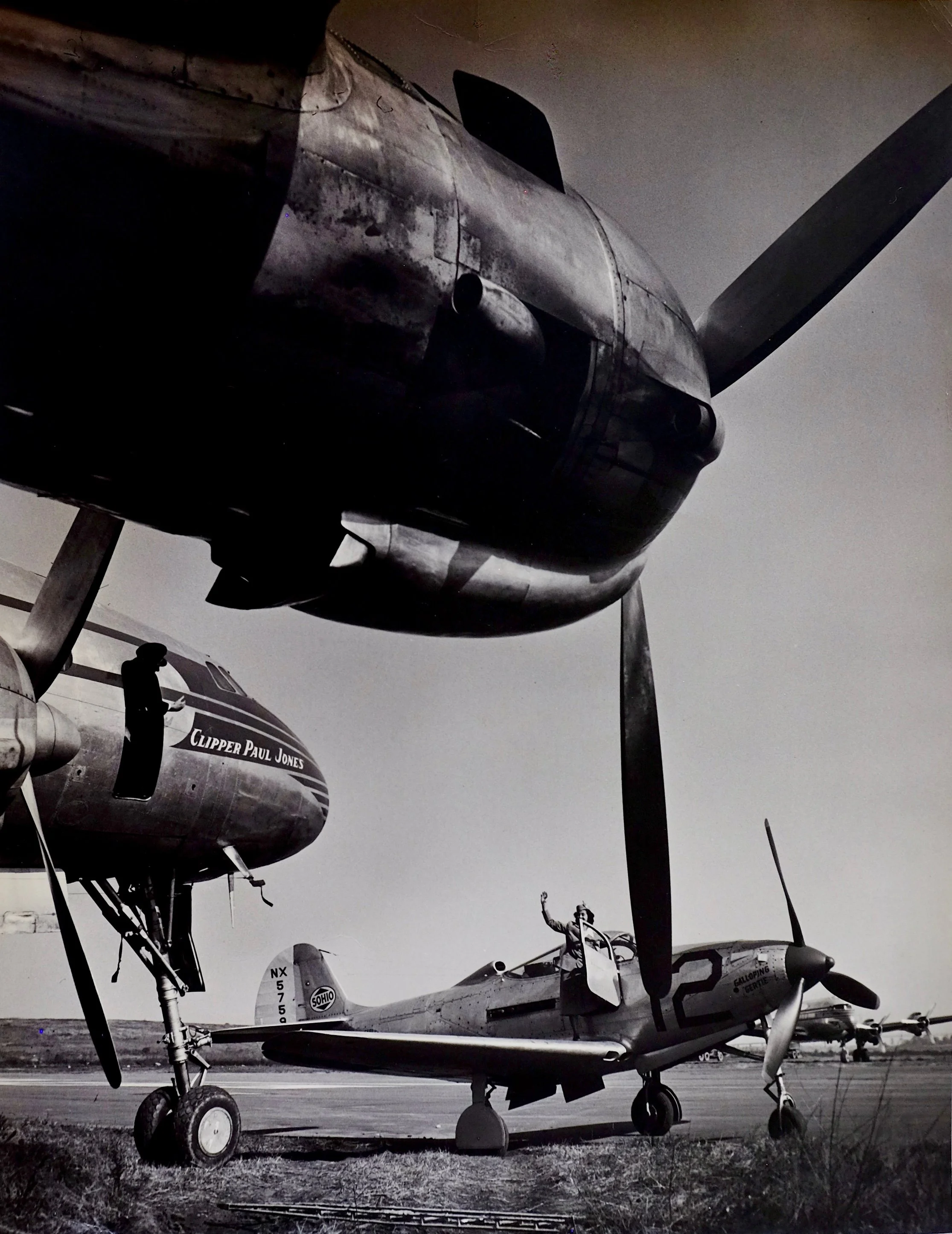
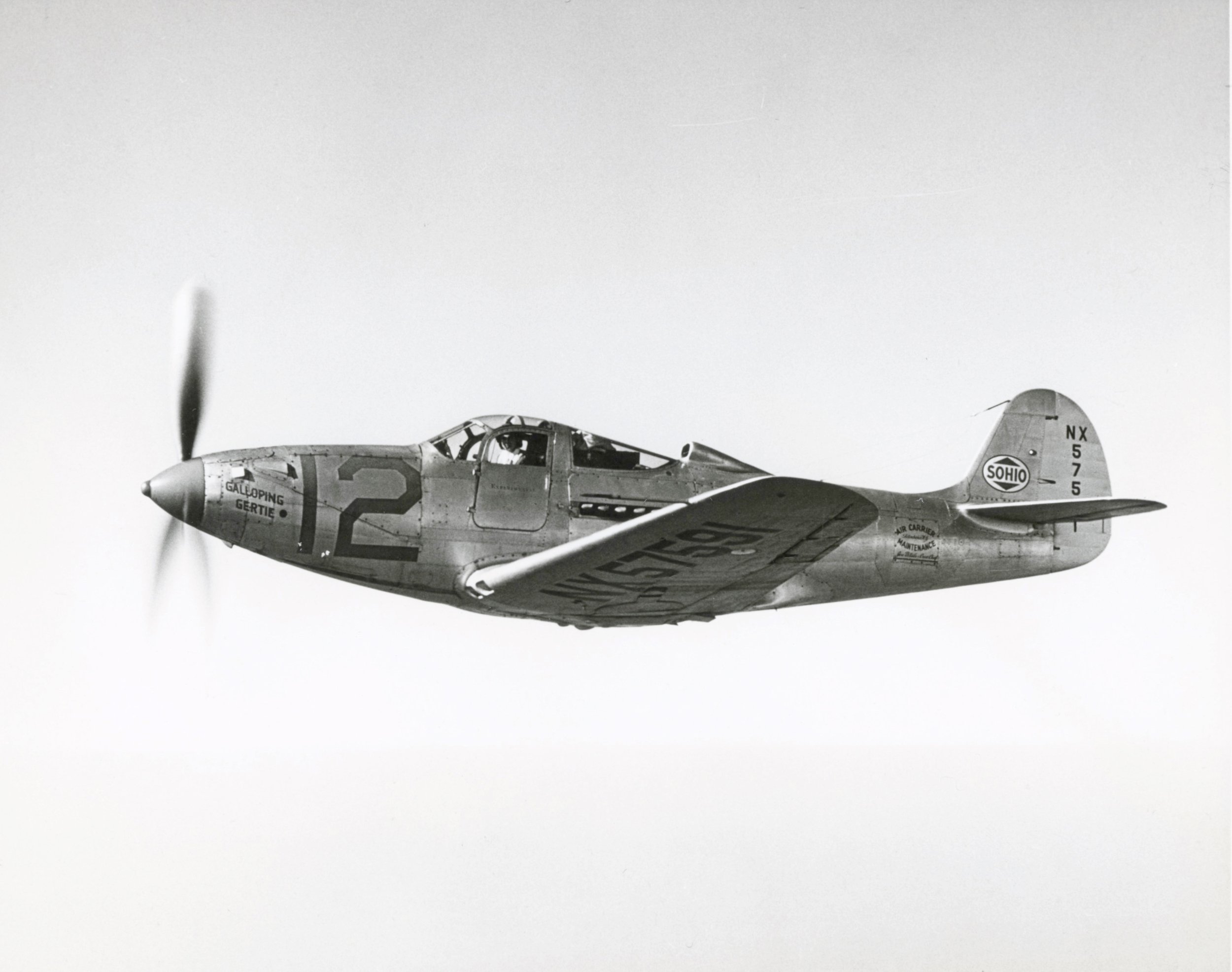
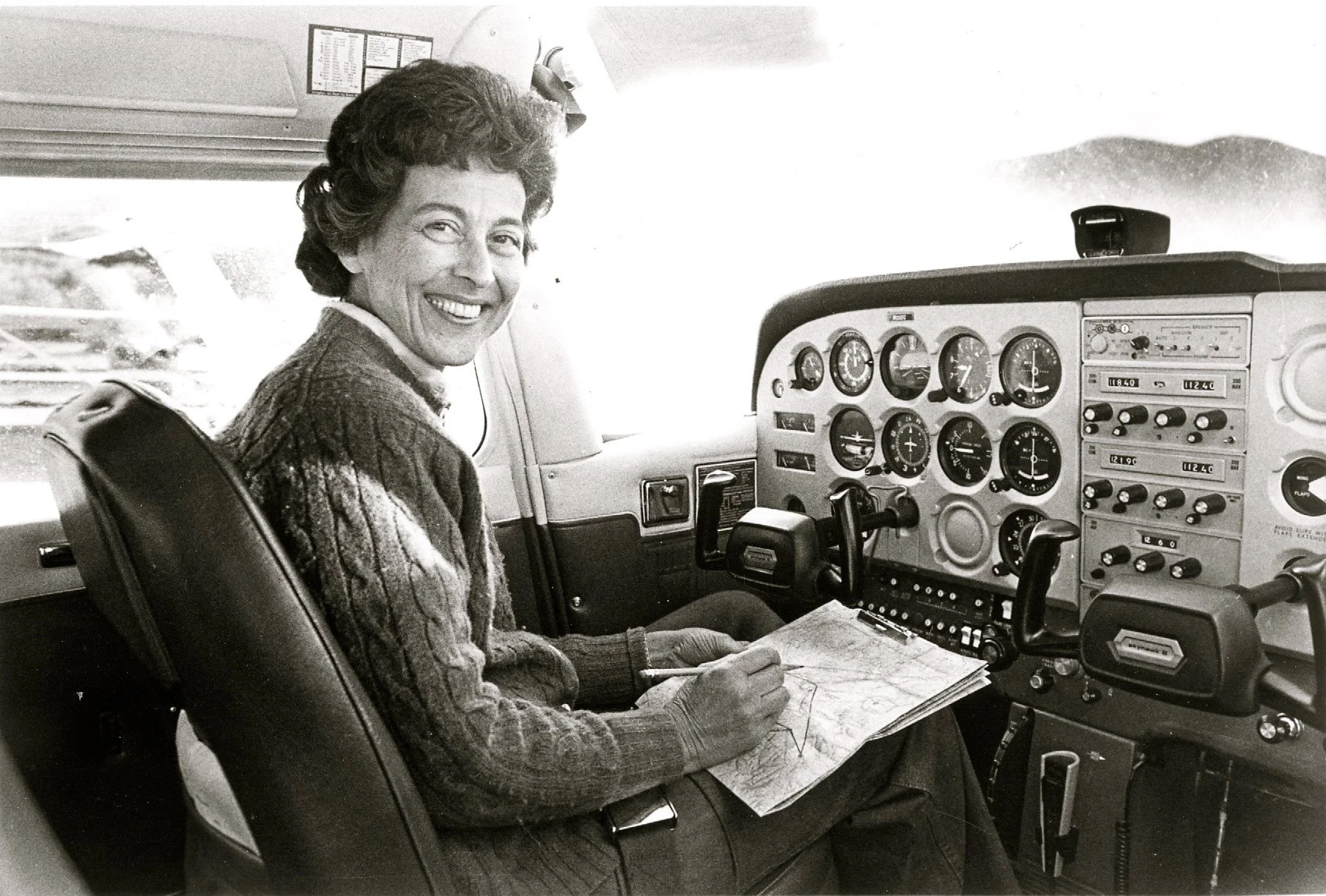
After WWII, Betty continued flying. Although there were fewer piloting opportunities for women, she was lucky to find several unconventional jobs. For a time she transported cattle to South and Central America. Finally she landed a job as a stewardess with Pan American Airways, while also competing and winning air races all across the United States. She and her beloved “Galloping Gertie” a Bell P-39Q Airacobra, won the International Air Race in 1950 and in 1952. Today, “Gertie” is on exhibit at the Smithsonian National Air and Space Museum in Washington D.C.
Betty worked for Pan Am for several years. Toward the end of this stint, a fellow WASP, Ruth Humphries Brown, invited Betty to visit Aspen. While skiing on Ajax Mountain Betty spotted a handsome man in the lift line with a cardboard sign hanging around his neck that read, “If you think I’m handsome, I’m available” followed by his four-digit telephone number. Art Pfister and Betty Haas were married in 1954. Art was also a WWII Pilot. The two had much in common including their love of flying and skiing.
In 1950, Art bought the Lazy Chair Ranch on Buttermilk Mountain. Fritz Benedict designed their home where they brought up their three daughters and lived for the rest of their lives. Betty gave up her air racing career but continued to be active in aviation. She took up gliding, receiving her license in 1966. She flew both lighter-than-air and helium balloons and participated in the hydrogen balloon races in the Swiss Alps. She enjoyed the excitement and freedom of balloon flight “going wherever the wind blows you.”
betty haas pfister:
Community Pillars
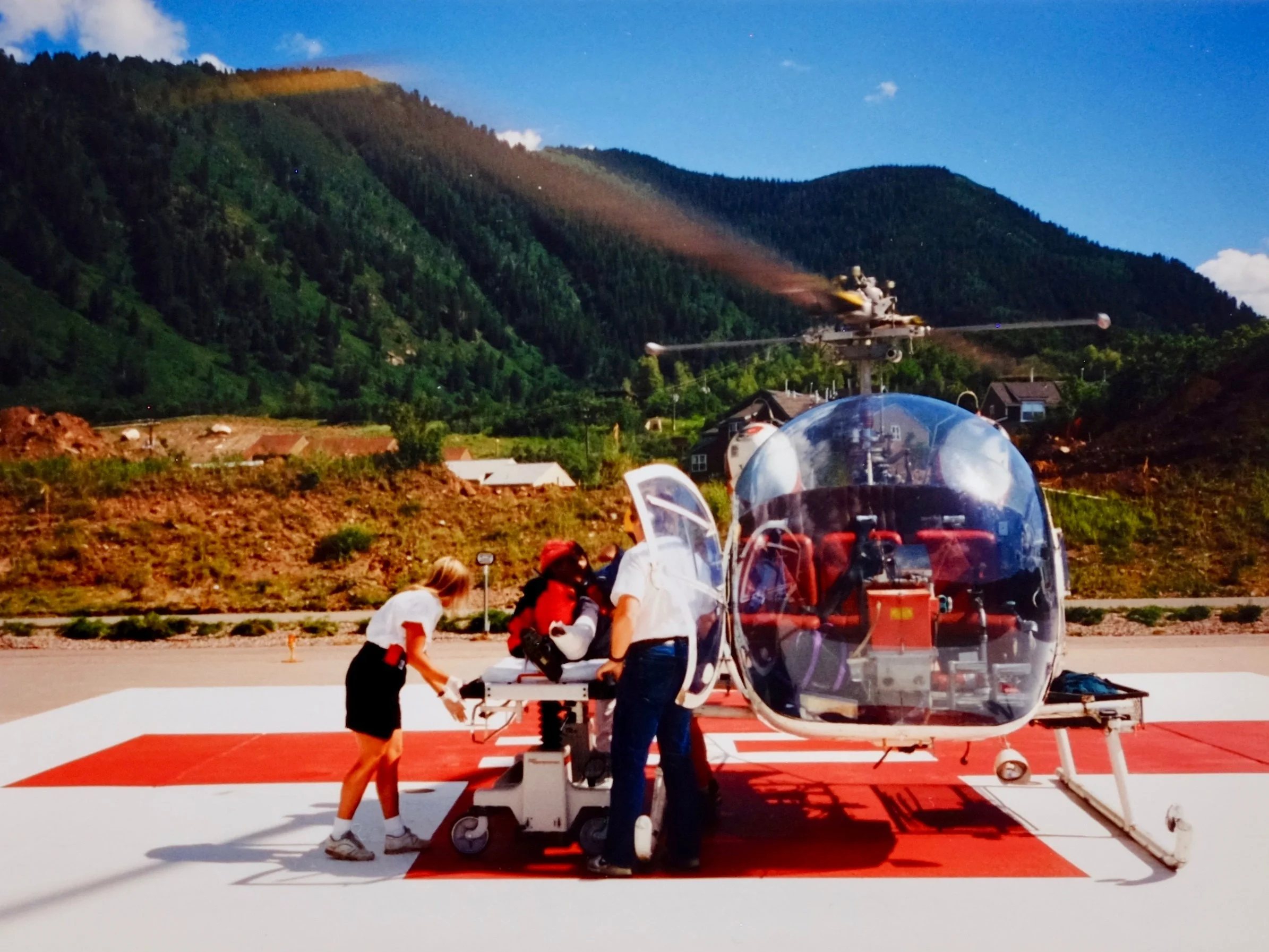
Betty planned and supervised the construction of the Aspen Valley Hospital Heliport in 1966.
In 1968, Betty founded the Pitkin County Air Rescue Group and remained its president until she retired in 1991. That organization laid the groundwork for Mountain Rescue Aspen, an active and vital community resource in our valley.
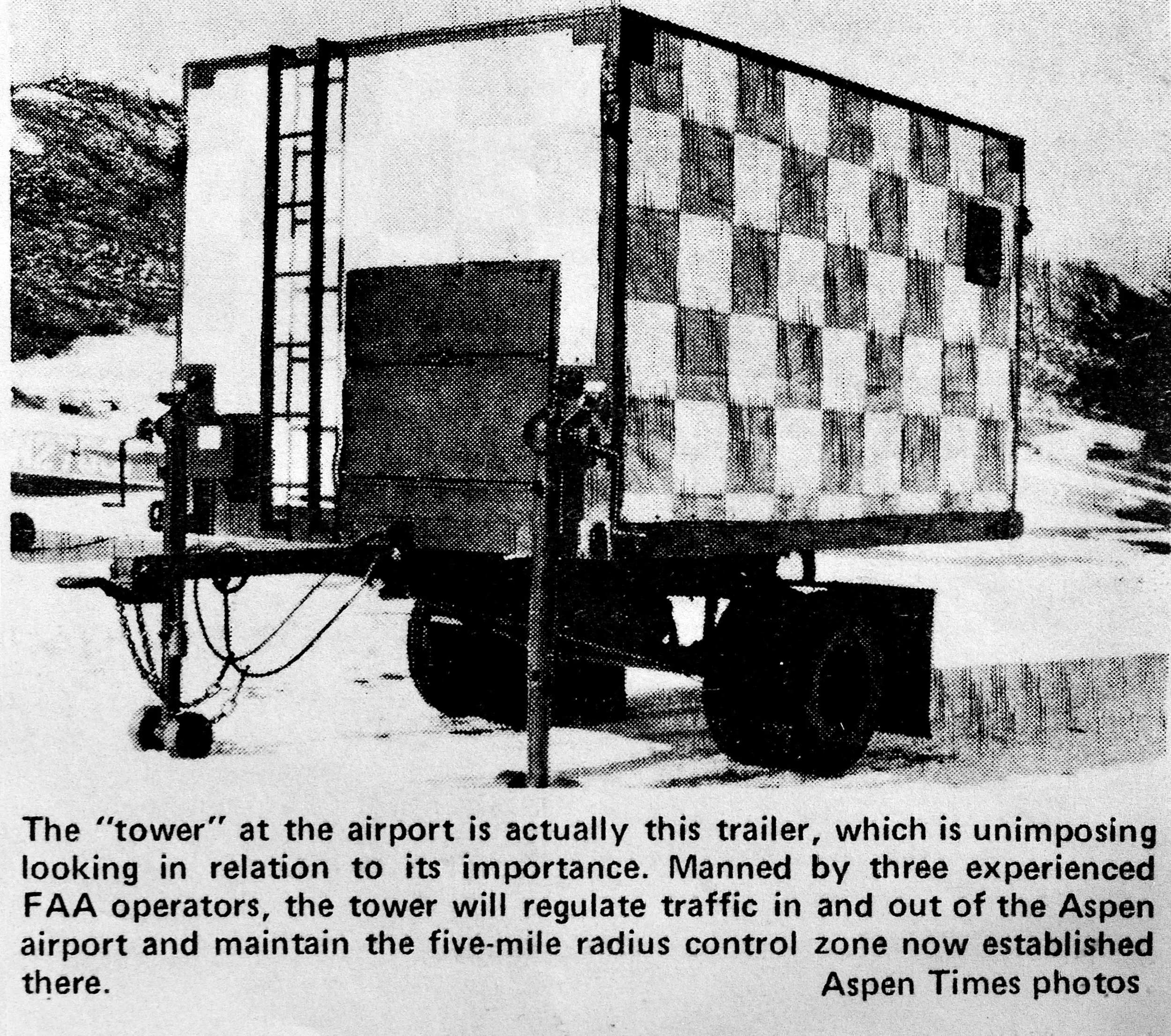
Betty was the key influence in designing, building and staffing Aspen’s first air traffic control tower in 1969.
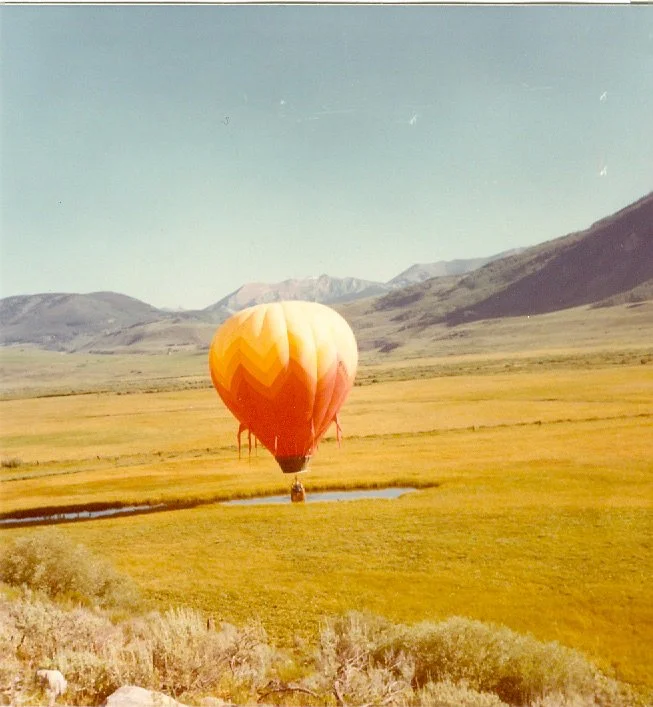
Betty founded and organized the Annual Snowmass Balloon Festival in 1976. This event has evolved into the vibrant and thriving annual Snowmass Balloon Festival.
betty haas pfister:
Achievements + Awards
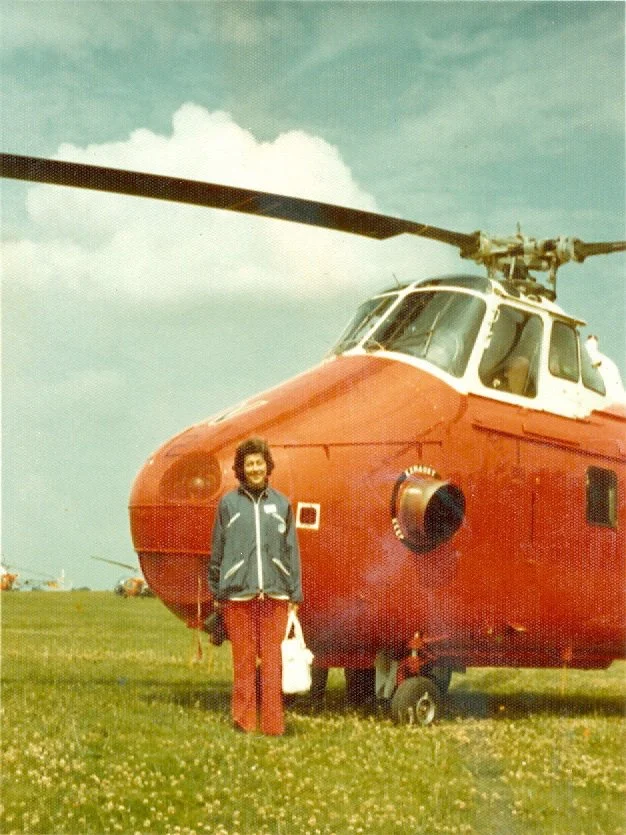
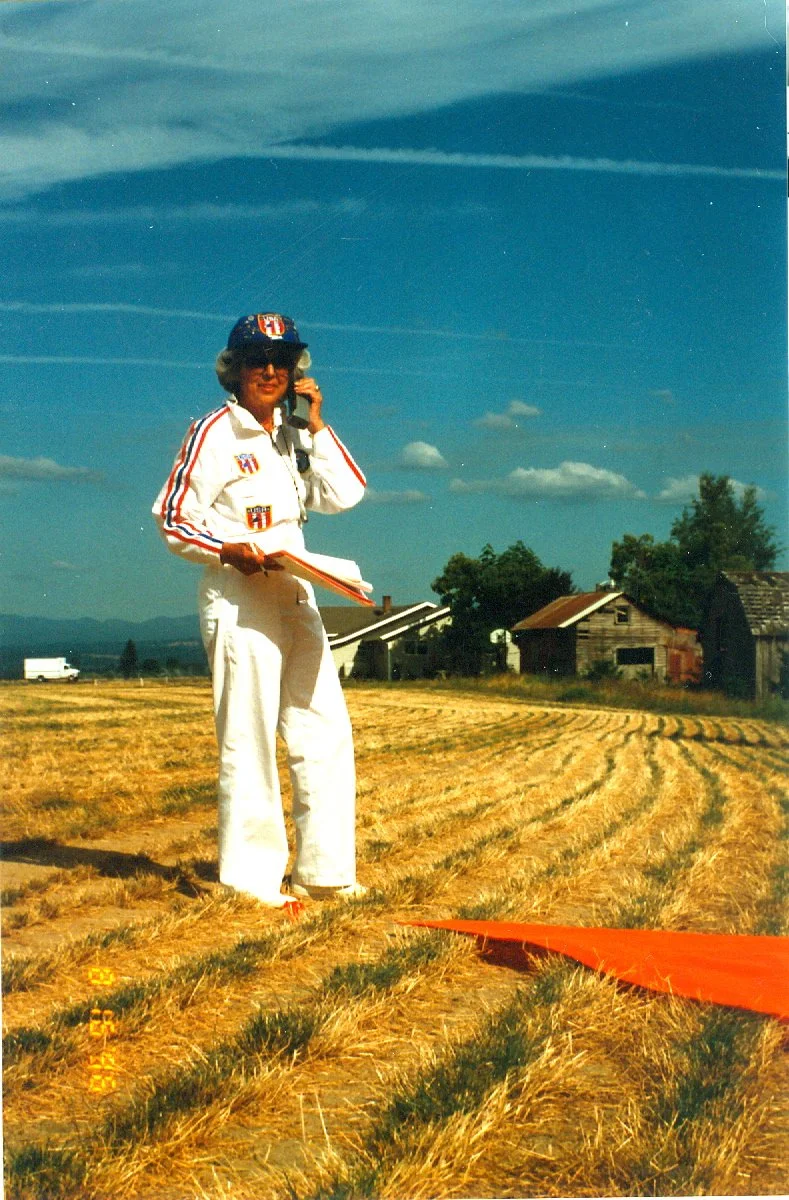
Betty was the 52nd woman in the world to receive her helicopter license in 1963.
In the early 70s, Betty became a Member of the U.S. Helicopter Team, both competing and judging World Helicopter Championships around the globe.
Betty served as FAA Accident Prevention Specialist from 1972 - 1974.
Betty was inducted into the Colorado Aviation Hall of Fame in 1984
Betty was the recipient of the National Aeronautic Association (NAA) Katherine Wright Trophy in 1991 and the Elder Statesman of Aviation Award in 1994.
Betty was inducted into the Women in Aviation International (WAI) Pioneers Hall of Fame in 2001.
In 1981, Betty founded the Aspen Chapter of Amelia Earhart’s Ninety-Nine’s, an organization of women pilots established in 1929.

betty haas pfister:
Exemplar of Community Character + Tenacity
Naming the new Aspen Airport Terminal after Betty Haas Pfister will sustain Betty’s legacy and acknowledge her contributions and achievements in aviation locally and globally.
A historic exhibit in the airport will provide guests the opportunity to learn about Aspen’s rich aviation narrative, inspiring future generations of innovators and explorers.
Betty’s character and determination exemplify and highlight the spirit of our Roaring Fork Valley. The exhibit in the new Terminal will introduce visitors to our values and who we are as a community.
betty haas pfister:
Honor Betty — The Trailblazer
In recognition of Betty Haas Pfister’s accomplishments as a renowned aviatrix, we feel it would be most appropriate that the proposed new Aspen Airport Terminal be named in her honor.
As a woman living in a time when it was not fashionable to be persistent or forward thinking, she insisted on being both. She loved our mountain community where she came to build a life.
Please help us carry on the legacy of our very own extraordinary Roaring Fork Valley aviation hero!